Micro Dedicated Servers in Romania
Low-power, always-on bare metal designed for the jobs where a VPS feels flimsy and a full dedicated server is overkill. Intel Celeron N2807 or AMD G-T48E, 8 GB RAM, a 128 GB SSD on SATA adapter, and USB 3.0 / USB 2.0 ports ready for external HDDs or SSDs, ideal for cheap bulk backup storage.
Perfect for backup targets, VPN endpoints (WireGuard/OpenVPN), DNS resolvers (Pi-hole, AdGuard Home), home labs, Nextcloud, Git servers, Discord/Telegram bots, uptime monitors, and any always-on service that deserves its own dedicated hardware.
Micro Server Plans
All prices exclude VAT. Annual billing. Setup fee €10. Both models include the Loyalty Gift badge, after 12 consecutive months you can keep the hardware.
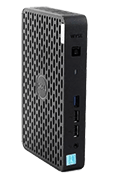
Micro Intel
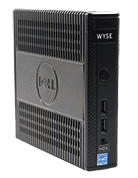
Micro AMD
Perfect for These Use Cases
Micro servers shine in the quiet, reliable, always-on workloads where a VPS feels too restrictive and a full dedicated server is overkill. Attach USB drives for cheap bulk storage and you have an incredibly capable little box.
Backup & Storage Server
Plug external HDDs or SSDs into the USB 3.0 port (on the Intel model) for fast multi-terabyte backup targets. Run restic, borg, rsync, Duplicati, Syncthing, or Nextcloud. Offsite backup for your home lab or small business at a fraction of cloud costs.
VPN & DNS Endpoint
Low-power always-on bare metal is ideal for WireGuard, OpenVPN, Tailscale exit nodes, plus Pi-hole, AdGuard Home, or Unbound DNS resolvers. Romanian IP for your traffic with dedicated hardware reliability.
Home Lab & Dev
Run a personal Gitea/Forgejo, a Docker host for side projects, Nextcloud for family photos, Jellyfin media server, Home Assistant relay, or a small Proxmox hypervisor with a handful of LXC containers. Real bare metal, no noisy neighbours.
Bots, Monitoring & Always-On Services
Discord/Telegram/Matrix bots, Uptime Kuma, Grafana + Prometheus, small web honeypots, mail relays, Caddy reverse proxies, static-site builders, scheduled cron jobs, IRC bouncers (ZNC), Murmur voice servers. Quiet machines that just work.
RTBH DDoS Mitigation with sFlow Telemetry
We operate Remotely Triggered Black Hole (RTBH) filtering on our BGP uplinks, continuously monitored via sFlow telemetry on our edge routers. When traffic to a destination IP spikes above baseline, our sFlow collector detects the anomaly in real time and triggers a blackhole route over iBGP. The blackhole community is automatically announced to our upstream Transit Providers, so the attack traffic is dropped at their network edge before it ever reaches our network, while the rest of your infrastructure stays online.
Your small always-on services (VPN endpoints, DNS resolvers, Git mirrors, Nextcloud, backup targets, monitoring collectors) stay reachable on every IP that is not being flooded. No heavy DDoS appliance is required on the tiny chassis itself. You can announce a blackhole community yourself (if you operate BGP with us) or simply ask our NOC to trigger it. RTBH is effective against volumetric L3/L4 floods (UDP, SYN, amplification). Layer 7 application-layer attacks fall outside the scope of RTBH and require application-level defenses such as a WAF, rate limiting, or caching that you implement at your own application tier.
Frequently Asked Questions
Everything you need to know before ordering a micro dedicated server.